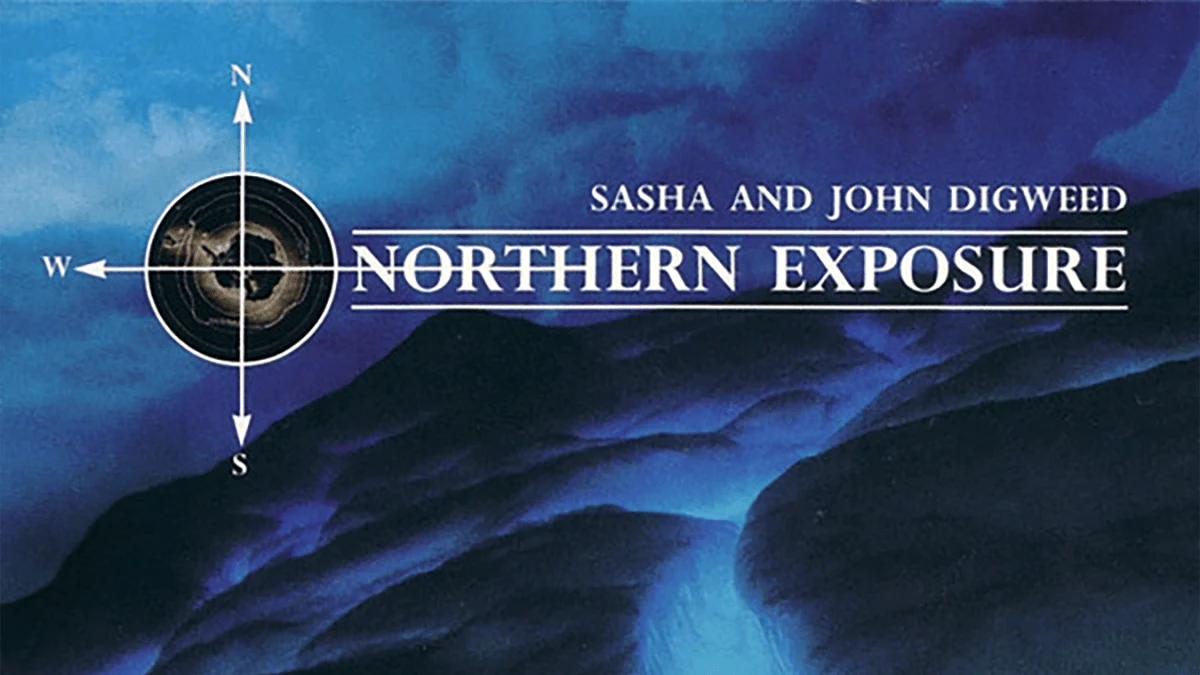
EDITORIAL UPDATE — OCTOBER 13, 2026: The Northern Exposure anniversary redux is now available, and October 9 brought additional digital companion material. For the 2026 oral history, new critical reception and what today’s DJs can learn, read https://www.thedjhangout.com/news/28. The original 2026 report remains preserved below.
Thirty years after its September 27, 1996 release, Northern Exposure still offers a useful lesson for DJs: a set can be a piece of storytelling, not simply a sequence of records. The original double-CD project pushed progressive house, trance, ambient passages and breakbeat ideas into a long-form journey that asked listeners to stay with the mood instead of chasing the next obvious peak.
The anniversary matters because the format that once lived on physical media is being reconsidered in a streaming era. DJ Mag’s reporting on the Redux describes a remastered and expanded release, while the official Late Night Tales release page confirms the September 25, 2026 release and new material. The reissue also shows how complicated old music can become when licenses, credits and original recordings have to be revisited decades later.
For a working DJ, the interesting takeaway is not to copy the sound of 1996. It is to steal the discipline: choose records for the story they create together, leave space for surprise, and make transitions serve the journey. That idea has aged better than any particular synthesizer or BPM range.
Julian’s take: the best part of the Northern Exposure story is that it treats sequencing as authorship. The technology changed. The audience changed. The need for a point of view did not.
WHY IT STILL MATTERS
Northern Exposure remains useful because it demonstrates that sequencing itself can be authorship. A memorable DJ mix is not a pile of individually strong tracks; it is an argument about mood, pacing and tension. The order changes the meaning.
That lesson is even more relevant in a streaming environment where listeners can skip instantly. Long-form mixes have to earn attention through structure. For younger DJs, the challenge is not to imitate the exact 1996 sound but to understand why the journey worked.
THE BUSINESS OF LEGACY
Anniversary editions also reveal how complicated dance-music history can be. Old masters, publishing rights, sample clearances, artwork, credits and platform availability can all affect whether a classic project can be presented again in its original form.
THE DJ HANGOUT READ
The technology changed. The audience changed. The need for a point of view did not. Northern Exposure belongs in the conversation because it shows what happens when a DJ treats the entire set as the creative work.
WHY THE FORMAT MATTERED
The mix-CD era gave DJs a different constraint from a live club set. The listener could replay every transition, hear the pacing away from the dance floor and judge the project as a complete piece of recorded work. That pushed the best mixes toward a kind of long-form authorship: selection, order and transition became part of the composition.
In 2026 the distribution format is different, but the creative question is the same. A recorded mix, livestream or YouTube set still needs a reason for one record to follow another. Technology can make transitions easier; it cannot supply taste or narrative.
FOR YOUNGER DJS
The useful exercise is not to recreate Northern Exposure track for track. Build a one-hour set with a beginning, middle and end, then listen back without touching the controls. If the energy curve makes sense as a story, the sequencing is doing real work.
That is why this anniversary belongs in a current DJ publication: it is history that still teaches a practical skill.
The Redux gives a new generation a route into a landmark DJ project and demonstrates the creative value of sequencing.
Anniversary editions can turn living creative work into museum pieces if the audience focuses only on preservation instead of influence.