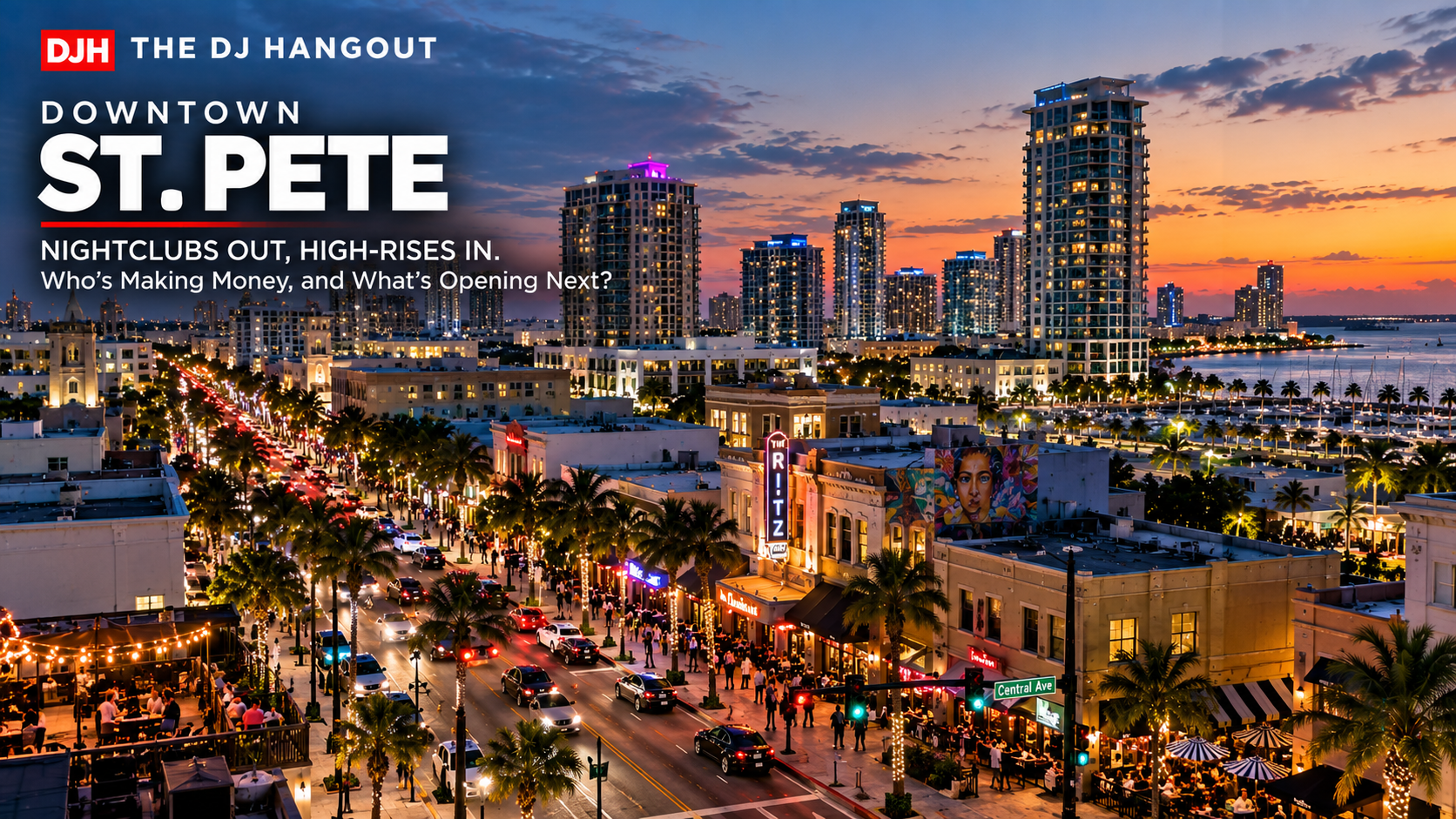
Downtown St. Petersburg has become a serious real estate and hospitality market. Apartment towers are replacing older properties, developers are investing millions, and entertainment operators are introducing new concepts.
But there's an interesting contrast: while downtown's population and skyline keep growing, some of its familiar nightlife businesses have disappeared.
The result is a city where a former nightclub can become a luxury apartment building, a restaurant can close after 16 years, and a historic theater can find itself in the middle of a multimillion-dollar housing proposal.
Apparently, even buildings in St. Pete are changing careers.
THE ONYX NIGHTCLUB: DEMOLISHED FOR APARTMENTS The former Onyx Premium Nightclub property on Second Avenue South was demolished in 2019 and redeveloped into Evo, a 23-story residential tower with 220 apartments and ground-floor retail space.
The project was developed by Miami-based American Land Ventures, owned and led by Granvil M. Tracy, who became the company's president in 1999 and later acquired full ownership. The company originally proposed the development in 2016, with Coastal Construction serving as general contractor.
The original nightclub is gone, and the property illustrates a familiar downtown development calculation: land that once accommodated nightlife can become considerably more valuable when converted into hundreds of residential units.
For developers, that's a business opportunity. For the entertainment industry, it's one less former nightclub property in the market.
260 FIRST: THE NIGHTCLUB CLOSED, BUT THE DANCING DIDN'T DISAPPEAR At 260 First Avenue North, the former 260 First nightclub was known for its large dance floor, DJs, multiple levels, and outdoor balcony.
The nightclub closed in 2023.
In 2024, My Rich Uncle opened at the same address with a retro-inspired martini bar and nightclub concept.
Unlike Onyx, the property wasn't demolished. It changed businesses.
My Rich Uncle has advertised Friday and Saturday evening hours on its official website, although some third-party listings have conflicted about its operating status.
It's an example of nightlife reinvention rather than residential displacement. The address survived, the music remained part of the concept, and the business got a new identity.
RED MESA CANTINA: SIXTEEN YEARS, BANKRUPTCY, AND A NEW BUYER Red Mesa Cantina, on Third Street South, permanently closed in June 2026 after 16 years downtown.
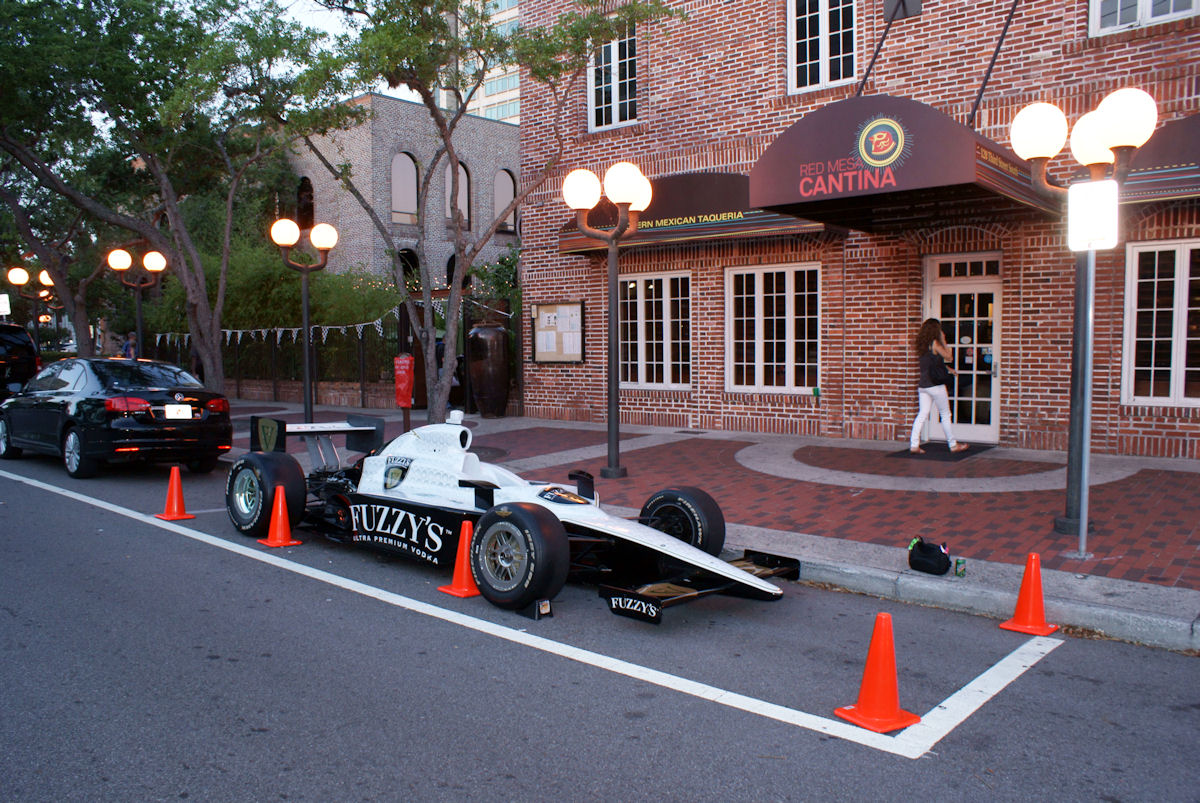
The closure also affected its event spaces, which had hosted weddings, corporate functions, and private celebrations.
The restaurant's parent company, Veytia Ventures LLC, faced bankruptcy proceedings, with reported economic difficulties, hurricane impacts, and disruptions associated with Tropicana Field's closure.
In July 2026, Atlanta-based Rreal Tacos acquired the property.
Its plans include a restaurant, another full-service dining concept, and a rooftop bar.
The property is therefore moving into another hospitality chapter rather than being replaced by residential construction.
Sixteen years of margaritas, weddings, and rooftop events ended. The next operator gets the building—and the challenge of making the numbers work.
THE PELICAN: A $134 MILLION DEVELOPMENT AND A POLITICAL FIGHT One of downtown's more controversial developments is The Pelican, a proposed 21-story luxury apartment tower near Fifth Avenue North.
Developed by Stadler Development, the approximately $134 million project calls for 370 residential units and the demolition of seven existing structures within the Downtown St. Petersburg National Register Historic District.
The Development Review Commission approved the project in January 2026.
Historic preservation advocates challenged that approval, leading to a contentious City Council hearing in March.
Four council members voted against allowing the approval to stand, but overturning it required five votes.
The project was therefore allowed to proceed.
The controversy illustrates an important political reality: elected officials can oppose a development and still lack the votes or legal grounds needed to stop it.
For downtown property investors, the case highlights the value of zoning and development entitlements. For preservation advocates, it raises concerns about historic character and the loss of older, less expensive buildings.
The Pelican remains a development project, not a completed tower.
THE PLAYHOUSE THEATRE AND MORPH NIGHTCLUB: A CENTURY OF ENTERTAINMENT MEETS AFFORDABLE HOUSING One of the most historically interesting redevelopment proposals involves the former Playhouse Theatre on Central Avenue and the neighboring Morph Nightclub property on First Avenue South.
The Playhouse building dates to 1925.
Over the decades, it operated under several entertainment identities, including the Patio Theatre, Playhouse Theatre, Papa's Dream teen nightclub, Golden Apple Dinner Theatre, and Encore Dinner Theatre.
That's an unusually long résumé for one building.
Now, Tampa-based Blue Sky Communities is pursuing a redevelopment called JR Tower.
The proposal would replace the former theater and nightclub properties with a 12-story building containing approximately 150 affordable apartments and 3,000 square feet of commercial space.
The developer has had the roughly 0.61-acre property under contract for approximately $6.25 million.
Plans have included pursuing around $25 million in tax-credit equity and $11.4 million in subordinate debt financing.
Construction has been targeted for 2027, with completion potentially in 2029, subject to financing, approvals, and other development conditions.
This project presents a more complicated debate than a conventional luxury apartment tower.
The city needs affordable housing. It also has a historic entertainment property whose original purpose has changed repeatedly over a century.
Both facts matter.
CENTRAL PARK: A HISTORIC BUILDING BECOMES A HOSPITALITY DESTINATION On the 500 block of Central Avenue, Central Park St. Pete has transformed the former Woolworth building into a multilevel food, beverage, and entertainment destination.
The development includes multiple dining concepts, bars, event spaces, and rooftop hospitality.
Among the named concepts are The Winfield, a cocktail parlor; KOJO, a restaurant; and Bar Hana, a rooftop concept.
The property represents a different kind of investment from demolishing a nightclub and building apartments.
Instead of replacing the building, the operators have repurposed it for contemporary hospitality.
It's also an example of how entertainment properties are becoming more diversified. Rather than relying on one restaurant or bar, the building can accommodate several concepts and different customer groups.
One address, multiple revenue streams. Hospitality investors generally like that arrangement.
APT 34: A NEW YORK APARTMENT PARTY COMES TO FIRST AVENUE Apt 34, planned for the 500 block of First Avenue North, is an upcoming beer-and-wine bar inspired by founder Nico Leeper's former apartment in Manhattan's Hell's Kitchen.
The original apartment became known for gatherings on its rooftop, which friends called the 312 Roof Club.
The St. Pete concept draws from that atmosphere, incorporating residential-style spaces and a social environment.
Its announced opening window is late 2026 to early 2027.
The business is an example of the smaller, experience-driven hospitality concepts entering the downtown market.
Instead of creating another conventional nightclub, the operator is attempting to commercialize the atmosphere of a private house party.
Presumably, without requiring guests to help clean the kitchen afterward.
NIGHTWATCH: ANOTHER CONCEPT FOR THE GRAND CENTRAL DISTRICT Nightwatch, planned for the 2800 block of Central Avenue, is a neighborhood wine bar concept with a backyard patio.
Its announced opening target has been late 2026.
The business reflects continued hospitality investment west of the traditional downtown core, particularly along Central Avenue and into the Grand Central District.
Not every new entertainment investment involves a major tower or a multimillion-dollar nightclub.
Smaller neighborhood concepts can also contribute to foot traffic, employment, and the nighttime economy.
24/7 ST PETE: A NEW NIGHTLIFE AND ENTERTAINMENT PROJECT 24/7 St Pete is developing a concept that combines indoor and outdoor nightlife, a lounge, café, concerts, and private events.
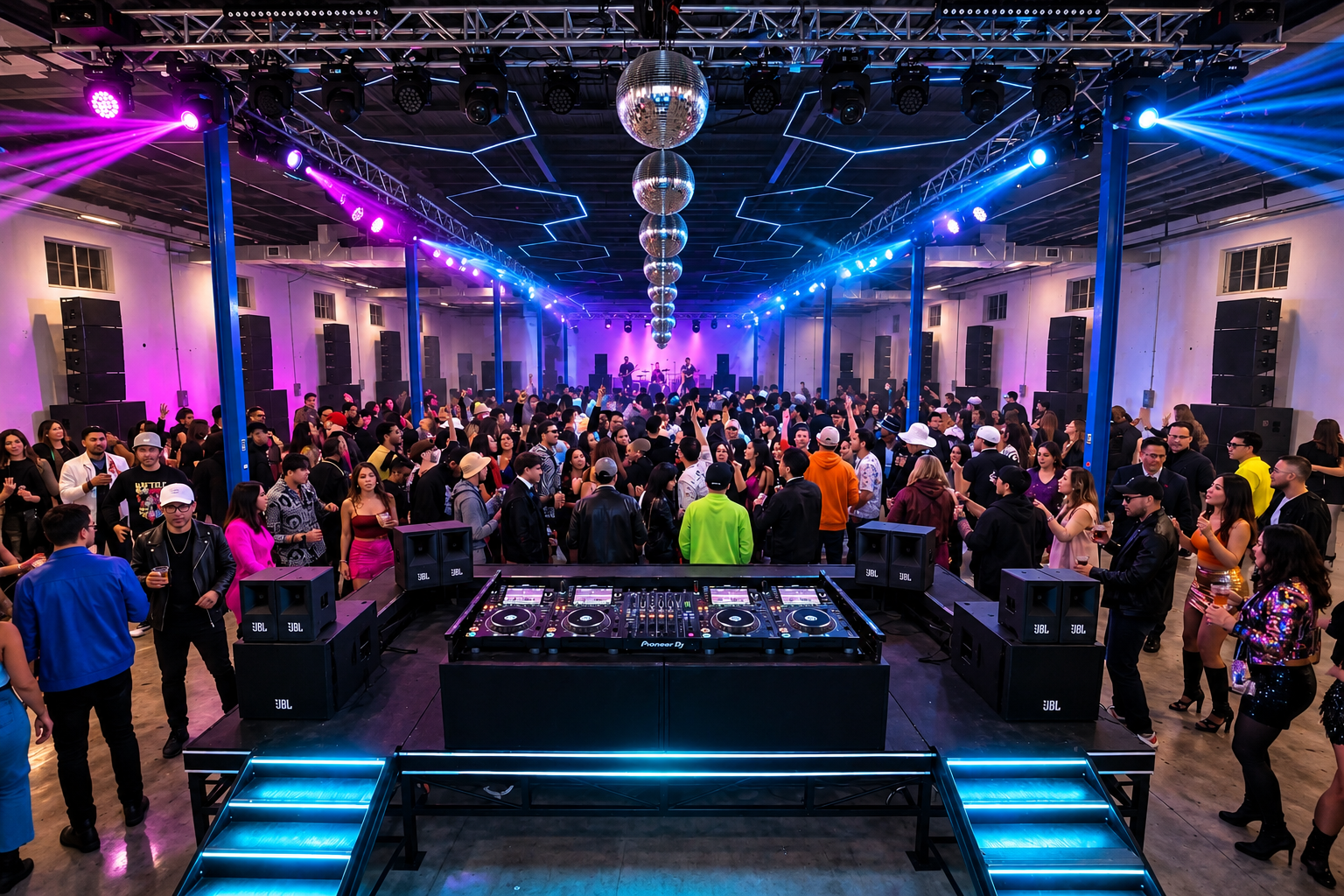
According to the project's official website, the business is preparing for a future opening and inviting visitors to register for announcements.
An official opening date has not been confirmed.
The proposed format is notable because it includes several types of entertainment within one business concept, potentially serving nightclub audiences, live-event customers, and private-event clients.
The rumor is that a major nightclub promoter and a nationally recognized festival company are joining forces behind 24/7 St Pete, with plans for a dynamic musical approach featuring cross-promotions and marketing involving major EDM DJs, major country artists and bands, and major pop artists. The rumored concept also includes a five-star, 24-hour restaurant attached to the entertainment venue. These details remain unconfirmed; The DJ Hangout has not independently verified the partnership, artist programming, restaurant plans, or any claimed five-star rating.
The important distinction is that the project is still being presented as an upcoming development, not an operating venue.
More information is available at www.247stpete.com ↗.
HISTORIC MANHATTAN CASINO: ENTERTAINMENT HISTORY GETS ANOTHER INVESTMENT The Historic Manhattan Casino, on 22nd Street South, reopened as an event venue in September 2026 following renovations.
The property is an important part of St. Petersburg's African American cultural and entertainment history, particularly in the Deuces neighborhood.
Its history includes music, dancing, and community gatherings during the segregation era.
Unlike redevelopment projects that replace historic buildings, the Manhattan Casino's restoration preserves an existing cultural landmark for continued public use.
That makes it a significant nightlife and cultural investment, even though it isn't a conventional commercial nightclub.
SIDE SPLITTERS: A 250-SEAT COMEDY CLUB AT SUNDIAL Side Splitters Comedy Club, a longtime Tampa-area entertainment business, announced plans to expand into downtown St. Petersburg.
The planned venue occupies approximately 5,600 to 6,000 square feet on the second level of Sundial, near Second Avenue North.
The project calls for approximately 250 seats, with a bar, lounge, and dedicated comedy showroom.
Owner Brian Thompson has discussed bringing nationally touring comedians and developing opportunities for local performers.
The investment adds another category to downtown's entertainment economy: ticketed comedy.
For neighboring restaurants and bars, a successful comedy club can create additional customers before and after performances.
The project was initially targeting a 2026 opening, but its current opening status requires confirmation.
DOWNTOWN'S REAL BUSINESS STORY: MORE RESIDENTS, MORE INVESTMENT, MORE COMPETITION The changing nightlife landscape is closely connected to St. Petersburg's development policies and real estate market.

Residential construction can increase the customer base for restaurants, bars, and entertainment businesses.
But the same development pressure can also increase land values, commercial rents, and competition for suitable nightlife properties.
Older entertainment buildings often occupy valuable locations, particularly near Central Avenue and downtown's walkable commercial streets.
That creates competing financial interests.
Developers may see an opportunity for apartments, hotels, or mixed-use construction.
Hospitality operators need locations where revenue can support rent, staffing, insurance, licensing, security, and entertainment costs.
Residents want attractive neighborhoods, but some may object to the noise and late-night activity that entertainment venues generate.
City officials must balance zoning, housing, historic preservation, economic development, and neighborhood concerns.
And in some cases, as The Pelican controversy demonstrates, the political argument can be considerably louder than the music coming from the clubs.
THE BOTTOM LINE Downtown St. Petersburg isn't simply losing nightlife.

It's replacing, reinventing, restoring, and expanding different parts of its entertainment economy.
Onyx represents demolition and residential redevelopment.
260 First represents nightclub turnover.
Red Mesa Cantina represents the financial pressures of hospitality operations and the arrival of a new investor.
The Pelican represents the political conflict surrounding luxury development and historic preservation.
The Playhouse Theatre and Morph Nightclub represent the complicated relationship between entertainment history and affordable housing.
Central Park, Apt 34, Nightwatch, 24/7 St Pete, Historic Manhattan Casino, and Side Splitters represent different directions for the city's next generation of entertainment.
The financial investments are significant. The politics are sometimes contentious. And the competition for downtown property is unlikely to disappear.
What remains to be seen is whether the next generation of entertainment businesses can establish the same longevity as the establishments they replace.
After all, building a 20-story apartment tower is one kind of investment.
Keeping a nightclub profitable for 20 years?
That's an entirely different achievement.
The DJ Hangout | Nightlife, Hospitality & Entertainment
October 2026 — St. Petersburg, Florida
New residents and hospitality investment can expand audiences.
Rising operating costs and land-use conflicts can threaten independent entertainment spaces.