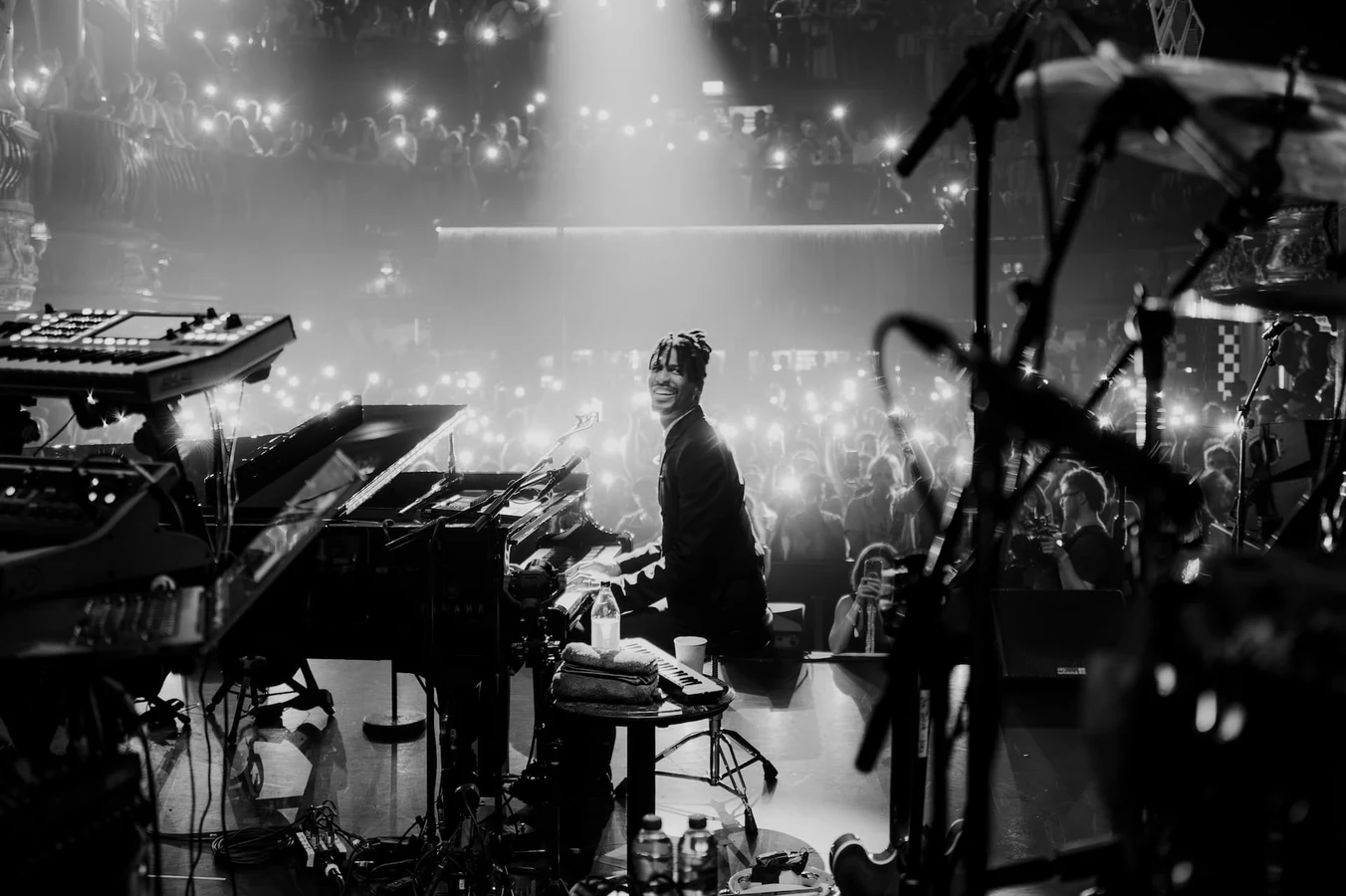
London’s KOKO is using its 125th anniversary to make a modern point: historic venues survive by staying culturally relevant. The Camden room has announced an autumn-winter electronic program featuring Michael Bibi, Shanti Celeste, DESIREE, Green Velvet, Oscar Mbo, Francis Mercier, Claptone and others.
KOKO is not a warehouse built for one generation of club culture. Its main theatre belongs to a venue with roots stretching back to the Victorian era. Programming current electronic music in that room connects nightlife to a much older live-entertainment tradition.
For DJs and promoters, the lesson is operational as much as musical. Architecture, sound, service, crowd flow, lighting and a sense of occasion all contribute to whether a night feels distinctive. A famous room cannot rely on history forever, and a strong lineup cannot compensate for poor operations.
WHY A HISTORIC ROOM STILL HAS TO EVOLVE
A famous building cannot survive on heritage alone. Audiences return because the programming, sound, service and atmosphere still feel relevant. KOKOs electronic season shows how a historic venue can use its identity as an advantage without becoming a museum.
The range of artists also matters. Programming several electronic scenes allows the room to reach different audiences across the season instead of repeating the same night with different names.
THE OPERATOR LESSON
Old architecture creates modern operational challenges. Sound, lighting, accessibility, bars, security, crowd flow and production all have to work inside a building designed for another era. The romance of the room only matters if the guest experience works.
THE DJ HANGOUT READ
The strongest venues combine continuity with reinvention. History gives KOKO a story; current programming gives that story a reason to matter to the next generation.
PROGRAMMING AS POSITIONING
A venue calendar is a public statement about who the room is for. Booking Michael Bibi, Shanti Celeste, DESIREE, Green Velvet and other electronic artists across a season does more than fill individual nights; it places KOKO inside several overlapping club communities.
That breadth can reduce dependence on one micro-scene, but it also raises the standard for operations. Different audiences arrive at different times, use bars differently and may expect different production styles.
THE ROOM IS PART OF THE PRODUCT
Historic architecture can create emotional value that a blank-box venue cannot reproduce. The tradeoff is that every old building brings constraints around access, loading, sound, sightlines and crowd movement.
The business lesson is not that heritage automatically wins. Heritage becomes an advantage only when the modern guest experience is strong enough to let people enjoy it.
A historic venue investing in current electronic programming can bring new audiences into a room with deep cultural history.
Anniversary branding means little if the actual guest experience and operations do not remain strong.