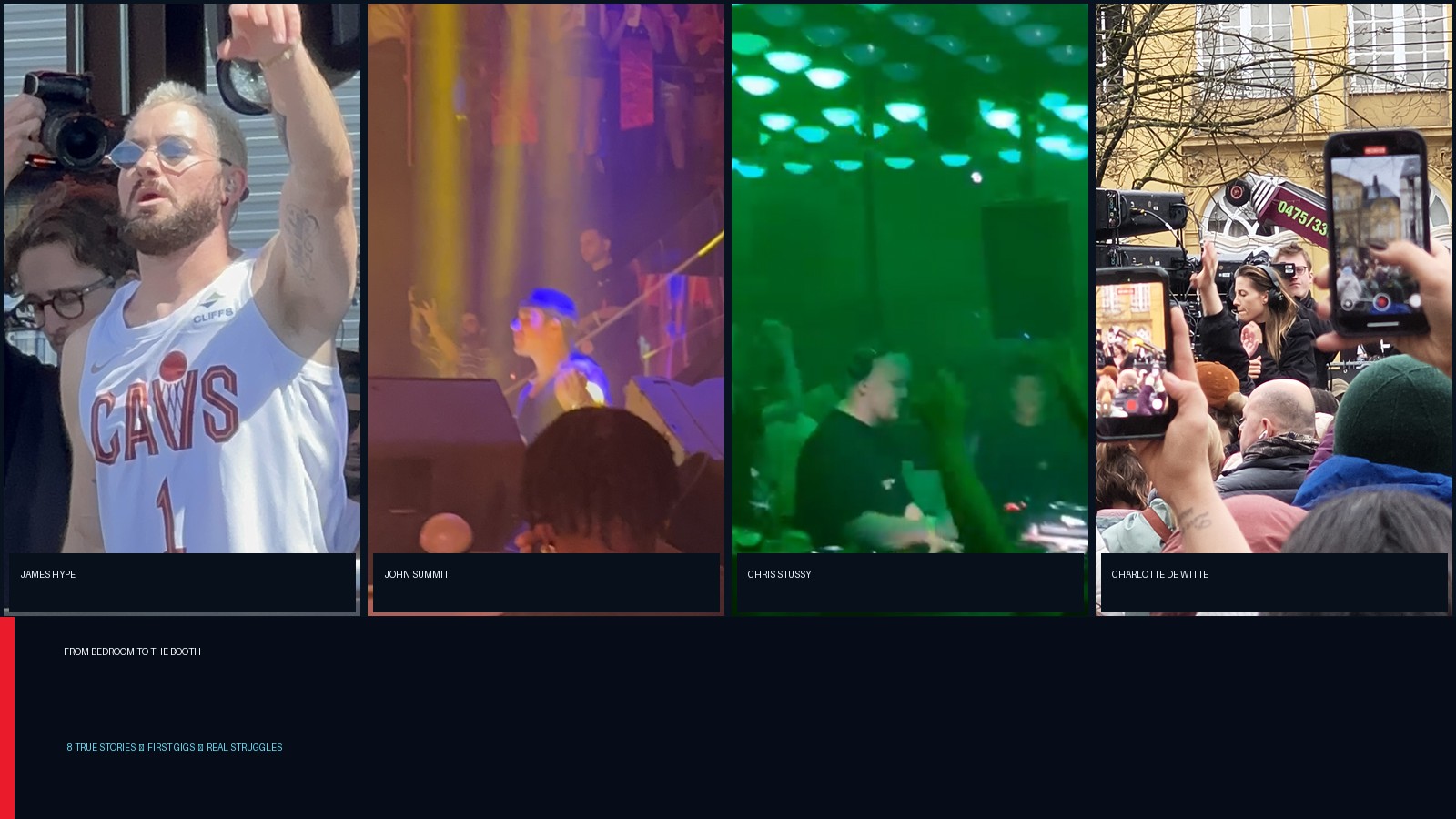
Jamie Jones was 17 years old when he got what aspiring DJs dream about: a Friday-night club booking.
He arrived at Bangor University Student Union in Wales with a huge box of records, convinced that all those hours mixing in his bedroom had prepared him for the real thing. There was just one problem. The club had Technics turntables. At home, Jamie had been practicing on inexpensive belt-drive decks. The difference in how the platters responded was enough to turn his first club set into what he later called his worst gig.
Almost every mix went wrong. He went home determined to save for proper turntables.
Today, Jamie Jones is known for Hot Creations, Paradise and some of electronic music's most recognizable club nights. But before all that, there was a nervous teenager, a box of vinyl, and a Friday evening that did not go according to plan.
We usually see the polished version of DJ success: festival lights, Ibiza residencies, giant crowds, and backstage photos. We don't see the awkward auditions, miserable first paychecks, empty rooms, borrowed equipment, or somebody quietly asking a girlfriend to cover more of the rent.
We wanted to know how people actually made the jump. Not the motivational-poster version. The real version, in their own words, with actual venues and turning points.
Here are eight stories. Different countries, different generations, different styles. One common lesson: the first booking is seldom the moment somebody becomes a star. It's the moment the real education begins.
JAMIE JONES: A FRIDAY NIGHT, A SPORTS SHOP AND A TERRIBLE FIRST SET
Jamie grew up in Caernarfon, North Wales. His mother bought him a basic mixer and two belt-drive turntables for Christmas when he was 16. He bought house records, practiced in his bedroom, and spent months trying to understand how the records were supposed to fit together.
There was no quick tutorial to pull up on his phone. According to a later DJ Mag profile, hearing Carl Cox explain mixing on Pete Tong's radio program helped the process make sense.
So how did the first booking happen? Not through a million followers or an expensive promotional campaign. Jamie worked in a sports shop in Bangor. A connection through the shop heard one of his mixes and offered him a place at a university event.
In a November 2006 interview with DJ Mag, Jamie specifically identified that first club opportunity as a Friday night at Bangor University Student Union. Then came the Technics surprise and the disastrous transitions.
Here's the important part. He didn't stop. He learned what had gone wrong, upgraded his equipment when he could, and kept playing. Later came London's East End parties, record releases, Hot Creations and Paradise.
A working connection, a recorded mix and one uncomfortable first night. That's a lot closer to an entry-level DJ career than a private jet.
CHRIS STUSSY: €75, A 45-MINUTE BIKE RIDE AND A REAL CLUB OWNER
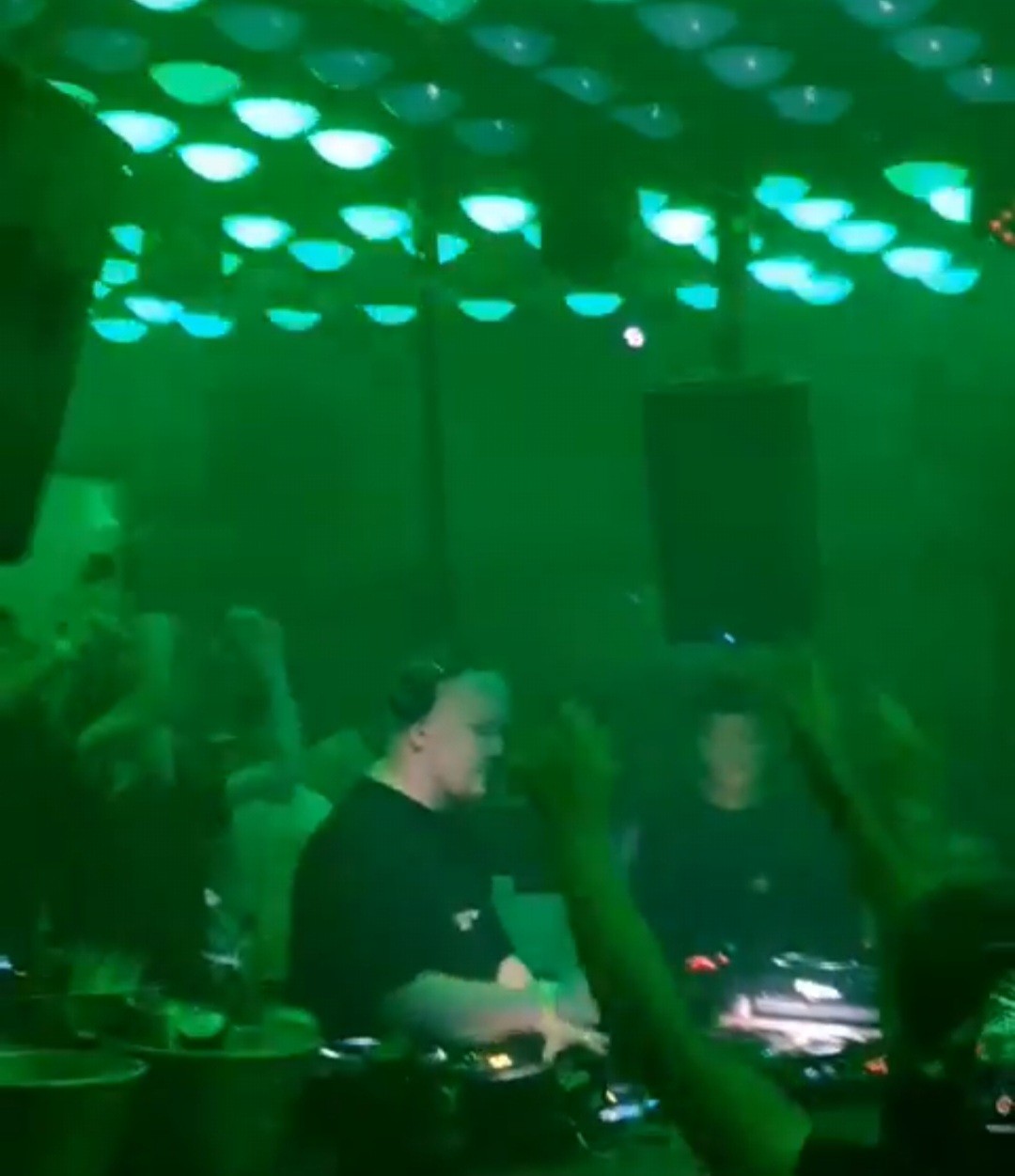
Before Chris Stussy became a major name in house music, he was a teenager who sent messages to local clubs asking for work.
One club answered: De Bob in Noordwijk, the Netherlands. As Stussy recalled in an FHM Netherlands interview, he arrived to audition and found the place closed. The manager listened from his office while Chris performed for an empty room.
Stussy wanted to play deep house. The manager wanted the music that would keep a broad nightclub audience happy: hip-hop, disco, pop and familiar hits. Chris was allowed more freedom near closing time.
The fee? €75 for an evening. The commute? About 45 minutes by bicycle from home. Sometimes he worked Friday or Saturday; sometimes Tuesday or Thursday. He was still in school, still pursuing football, and learning that getting a job behind the decks is not the same as getting paid to play only your favorite records.
DJ Mag later reported that his five- and six-hour local sets helped him become comfortable switching genres, warming up a venue and programming a long night. In 2014 he won a talent opportunity associated with Michel de Hey, opening more doors, including festival and club slots.
To a young DJ, €75 may not look like a glamorous career. To a promoter, though, those early residencies explain something valuable: Stussy learned how an actual business uses a DJ across the entire evening.
The laptop in your bedroom can't teach you what happens when the manager climbs into the booth and says the room needs something completely different.
HONEYLUV: FROM NAVY BARRACKS TO A PROMOTER'S RADAR
HoneyLuv, born Taylor Character, did not begin with an Ibiza residency. She began learning to DJ while serving in the U.S. Navy.
In an extensive DJ Mag interview, she described practicing in her barracks after work, sometimes until 1 a.m., even though her day began around 5 a.m. A friend encouraged her and helped her get started with a controller. She recorded herself, listened back and kept practicing.
The early gigs were not the house-music shows she imagined. She played Hollywood brunch parties featuring R&B and hip-hop. During the pandemic, she pushed her music to online audiences through Twitch and appearances on other dance-music streams, including LP Giobbi's Femme House platform.
After her military service ended in December 2020, she pursued production training and contacted promoters herself. A booking at San Diego's Flamingo Deck alongside VNSSA became a pivotal moment. As HoneyLuv told DJ Mag, VNSSA and an agent noticed her; the agent wanted to see her at an after-party. Within roughly two weeks, more bookings followed.
Notice what didn't happen. A manager didn't magically appear in her barracks because she uploaded one transition video. She practiced, took gigs outside her preferred style, built an audience, made contacts and put herself in a situation where someone influential could hear her work.
Her breakthrough wasn't just being discovered. It was being prepared when somebody finally paid attention.
JAMES HYPE: SIX NIGHTS A WEEK AND A RENT BILL THAT DIDN'T CARE ABOUT HIS DREAM
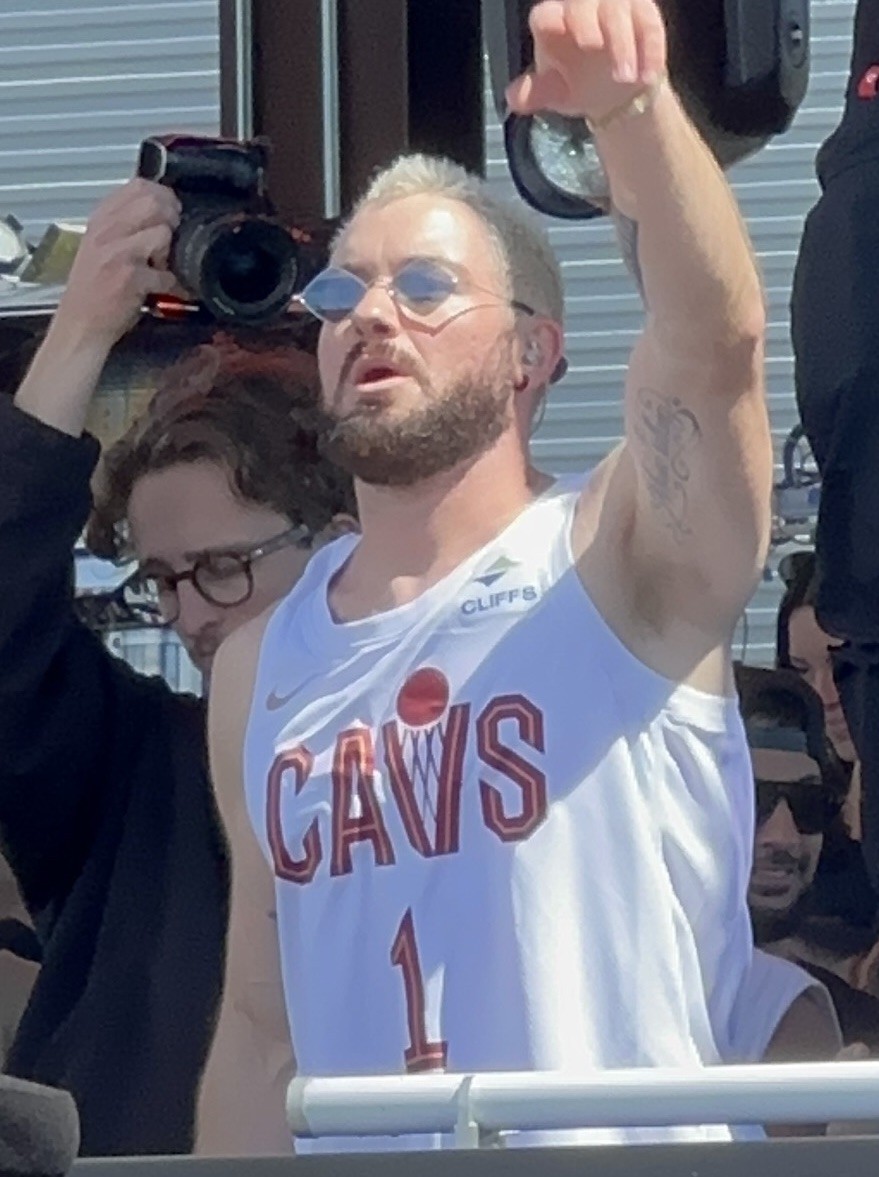
Watch James Hype perform today and you might think his hands were born attached to a mixer. The technical transitions look effortless. They weren't built overnight.
In his 2025 Road to Now interview with Hï Ibiza, Hype described years of local residency work in Liverpool, sometimes performing six nights a week for five or six hours a night. Those long sets gave him the time to experiment with CDJs and discover techniques that later made his videos stand out online.
He also spent years uploading frequent remixes to SoundCloud. Some attracted attention; others didn't. That constant output helped him build a reputation beyond the clubs where he worked.
But the finances were rough. Hype recalled moving to London without enough money for the rent and asking his girlfriend to pay more than half that month. The glamorous version of his career hadn't arrived yet.
Eventually came viral performance clips, original hits, international bookings and Ibiza residencies. His story is not proof that every resident who plays six nights a week will become famous. It's proof that a working residency can become a serious training ground, not merely a job you tolerate until a festival calls.
Five hours of reading a room teaches skills that a fifteen-second video has no way of measuring.
JOHN SUMMIT: COLLEGE PARTIES, CHICAGO CLUBS AND ABOUT 50 DEMOS
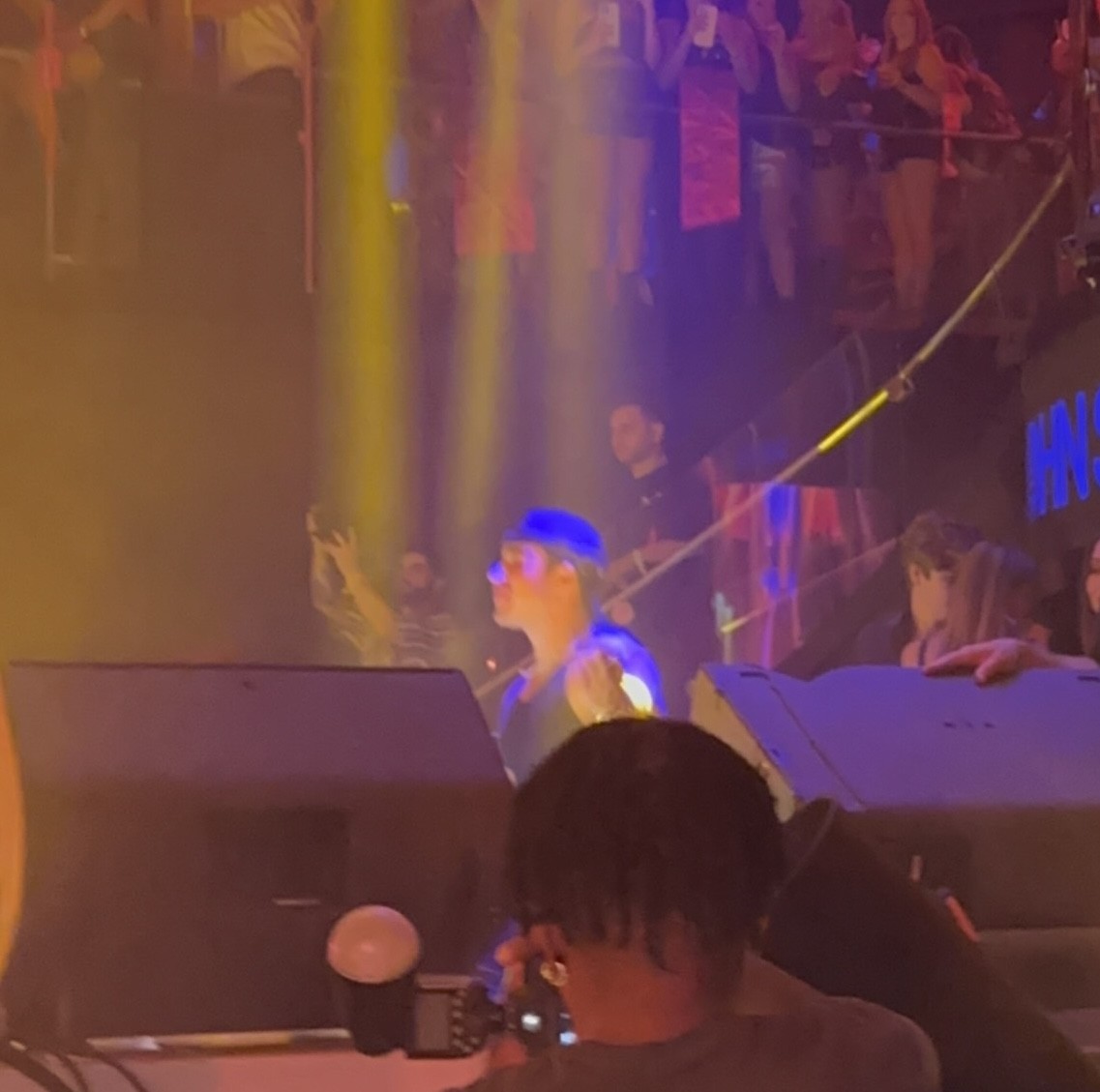
In 2015, John Summit was making tracks with a laptop and Ableton in his dorm room at the University of Illinois Urbana-Champaign. He learned through tutorials, shared music online and threw parties around his college town. He eventually landed opportunities at Chicago's Spybar.
It wasn't a straight climb. Summit told DJ Mag about an early set where practically nobody danced and the volume was held down. He later worked as an accountant, juggling a conventional career with music production and performances.
He was also persistent with labels. In a MusicTech interview, Summit said he sent at least 50 demos to Defected Records before the label responded and signed his 2020 single Deep End.
He has recounted being fired from his accounting job in March 2019 after his music increasingly distracted him from work. In a later DJ LIFE interview, he made an important point for anybody tempted to throw away a steady paycheck: you need financial reserves and evidence that the music business can actually support you.
That's worth emphasizing. Becoming a successful DJ isn't simply a matter of quitting work and declaring yourself one. Summit had already been writing music, playing gigs and creating momentum.
He eventually went from producing in a university dorm to running major events and performing around the world. The less romantic detail is that it took years, and fifty unanswered submissions is a very different sound from fifty thousand people cheering.
DAN SHAKE: A RECORD GOT ATTENTION BEFORE HE KNEW HOW TO DJ
Some artists learn to DJ, then release records. Dan Shake's story went in the opposite direction.
A release on Moodymann's Mahogani Music brought him attention and inquiries about performances. The problem, as he explained to Mixmag, was that he hadn't actually developed the DJ skills to match the interest in his productions.
His girlfriend lent him a battered pair of Technics 1210 turntables. He locked himself away to practice for roughly six months with about twenty club records, until he thought he was ready.
His first gig was at Flux in Leeds, playing Room 2. The sound setup was a mess. One speaker wasn't working properly; equipment problems made the experience even harder. At the time, he thought that might simply be what a club booth was like.
From the outside, his first booking could look like an overnight success: release a record, get noticed, play a club. Behind the scenes were six months of practice and a pretty brutal introduction to live equipment.
The lesson for promoters cuts both ways. A producer with a great record may not yet be an experienced DJ. And an inexperienced DJ who gets the right first opportunity can become very good very quickly—if they're willing to do the work.
JAUZ: BOOED OFFSTAGE AT 15—AND HE DIDN'T LEARN THE LESSON YOU MIGHT EXPECT
Sam Vogel, the producer better known as Jauz, was around 15 when he brought a little controller to a high-school recreation dance. He was excited about dubstep. The audience wanted hip-hop.
In an interview with EDM.com, he said he played for roughly 25 minutes before being booed offstage. He wasn't paid for the gig.
You might expect the neat moral of the story to be that he should have played whatever the crowd requested. But that's not how Jauz describes the experience. His takeaway was that he wanted to create his own music, find people who liked it, and build an audience that came to hear his particular sound.
That's a real distinction. A bar resident hired to entertain a mixed crowd has a different job from an artist booked because fans already love a specific musical identity. Neither is automatically superior. They just involve different promises to the audience.
Jauz later built that identity through his productions and performances. At 15, though, he got an education in the difference between being booked to serve a room and building a room around your own music.
At least it was a cheap lesson. Not especially comfortable. But cheap.
CHARLOTTE DE WITTE: HER FIRST CROWD WAS MOSTLY BAR STAFF
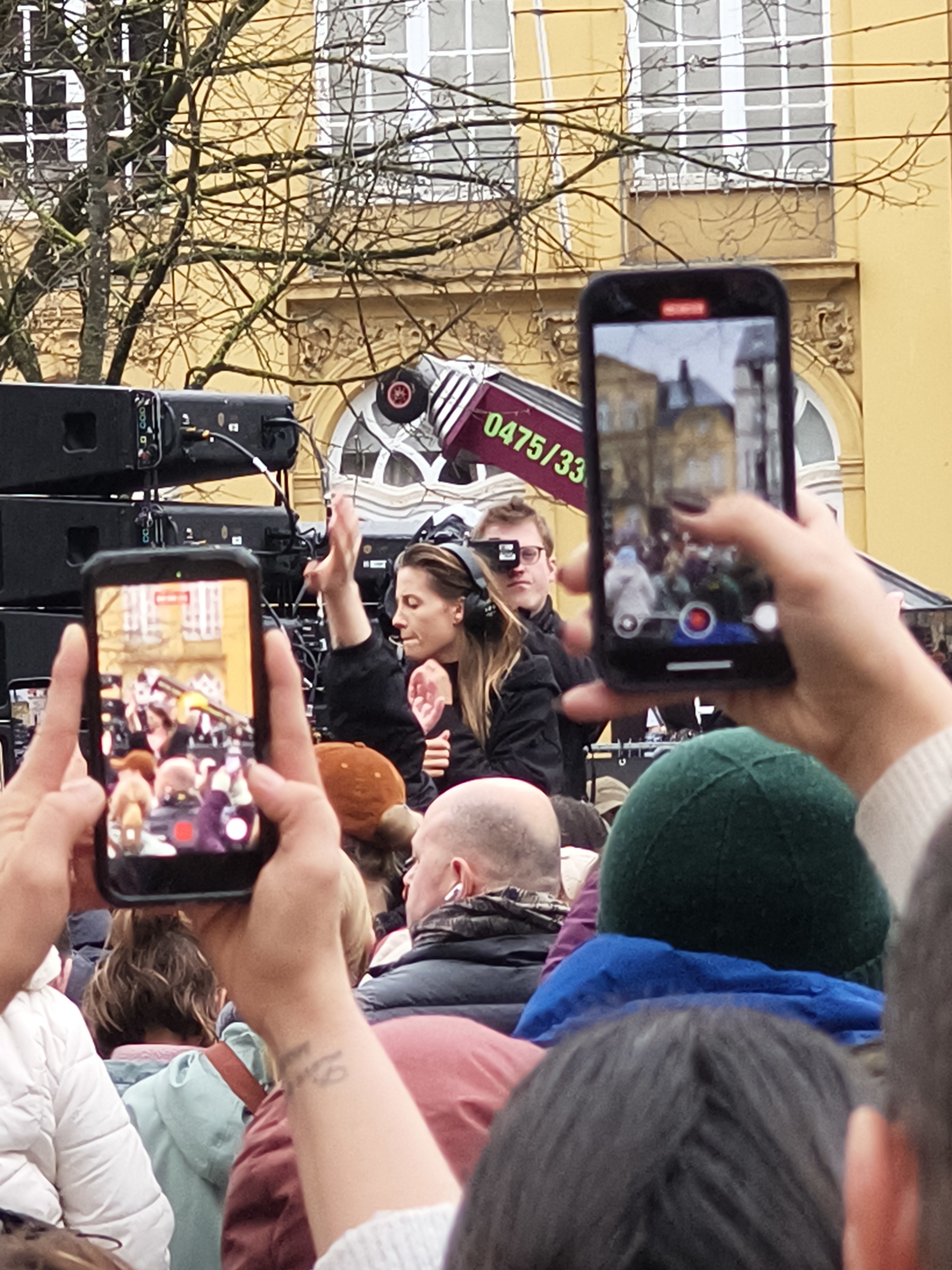
Before becoming one of techno's most prominent artists, Charlotte de Witte made mixes on her computer and bought DJ equipment as she became more interested in the music of Belgian clubs.
Her first documented performance was January 22, 2010, at Jeugdhuis Tentakel, a youth center in Wippelgem, near Ghent. She has recalled that she had never touched CDJs before the set and barely knew how to use them. The audience was limited to a few friends and people working behind the bar.
Charlotte didn't describe it as a triumph. In interviews with Mixmag and EDM.com, she openly called the performance a disaster.
A local volunteer involved with the youth center later confirmed that the venue gave young DJs their early opportunities, often unpaid. The same date and venue appear in Charlotte's own retrospective accounts.
In 2011 she won a Tomorrowland DJ contest. Later came important music releases and a shift away from her earlier Raving George alias to perform under her own name.
It's tempting to begin a biography at Tomorrowland. But the more useful starting point is that little youth club: almost no audience, equipment she didn't know, and a set that went badly.
Everybody wants the festival headline. Hardly anybody posts a throwback celebrating their first badly mixed set for three people and a bartender.
WHAT ACTUALLY GOT THESE DJS BOOKED?
Put the eight stories side by side and a pattern appears. Not a guaranteed formula—there isn't one—but a practical collection of ways people found an opening.
Jamie Jones had a recording heard through a real-world connection. Chris Stussy approached clubs and accepted a demanding local residency. HoneyLuv practiced after military shifts, streamed her sets and contacted promoters. James Hype developed his skills through long residencies and constant online output. John Summit organized parties, played clubs and kept sending music to labels. Dan Shake made records that attracted booking interest, then worked to become a reliable performer. Jauz discovered that he needed an audience for his own musical identity. Charlotte de Witte began in a tiny community venue and later earned a major competition opportunity.
None of those stories is evidence that success is easy. Some involved luck, timing, geography, personal connections, or mentors. A reader can't copy those circumstances exactly.
But the skills underneath them can be practiced: prepare a real set, understand the room, share good recordings, work with local people, ask for opportunities, learn unfamiliar equipment and improve after a disaster.
WHAT A PROMOTER REALLY BUYS WHEN THEY BOOK A NEW DJ
Here's where the dream meets the spreadsheet.
Say a small venue sells 150 tickets at $20 each. That's $3,000 in gross ticket sales, not $3,000 in profit. Ticketing expenses, taxes where applicable, staffing, security, sound, promotion, venue arrangements and other costs may all come out of the event. That's an illustrative example, not the accounts of any club or artist mentioned in this story.
Now imagine a promoter deciding between an unknown local DJ with a great thirty-second clip and another who has reliably played several nearby rooms. The clip might be more exciting. The other DJ might be a better fit for the evening—or the first DJ might be perfect if the promoter is building a new scene. The decision depends on sound, audience, budget, professionalism and what the night is supposed to accomplish.
For a bar or nightclub residency, consistent crowd management may matter more than a spectacular transition. For an artist showcase, original records and a distinctive audience may carry more weight. The person booking the show needs to know which proposition they're buying.
That is why an emerging DJ's pitch should be specific. Explain your musical style, the types of rooms you have played, the length of sets you can handle, where your audience is, and how you can contribute to the event. Include a complete recent mix, accurate links, reliable contact details and a short technical checklist.
And if the date is offered, confirm the fee, set time, equipment, travel, promotion, invoicing and payment terms. A first booking shouldn't require a law firm. It should, however, require reading the agreement.
THE QUESTION NOBODY ASKS IN THE BEDROOM
Can you handle the actual night?
Not just the exciting hour when everybody is dancing. The sound check. The nearly empty room at opening time. The unexpected request. The mixer that works differently from yours. The promoter worried about ticket sales. The headliner running late. The sound engineer asking you to stop driving the levels into red.
Your bedroom is a great place to practice transitions. The venue is where you learn to make decisions.
The next time you're shopping for tracks before a Friday gig, spend a little time thinking about why each record belongs in the set. Have a plan, but don't arrive so rigidly rehearsed that the crowd becomes an inconvenience.
And don't mistake a streaming library for a guaranteed professional backup: device compatibility, subscriptions, offline access and performance permissions differ. Test the venue's setup, know your legal music sources and bring the approved backup media you actually know how to use.
THE BOTTOM LINE: THE FIRST FRIDAY ISN'T THE FINISH LINE
These stories don't all begin on a Friday. Jamie Jones's did. Chris Stussy worked Fridays, Saturdays and other nights. The others reached their breakthroughs through youth clubs, parties, opening slots, recordings, online communities and all kinds of less-than-glamorous opportunities.
That's the point. A career isn't built by waiting for somebody to hand you the perfect Saturday at a famous nightclub.
Jamie Jones survived a disastrous Friday-night set. Chris Stussy rode his bike to a €75 job. HoneyLuv practiced in Navy barracks. James Hype worked marathon residencies while worrying about rent. John Summit sent demo after demo. Dan Shake taught himself to mix when the bookings started arriving. Jauz was booed offstage. Charlotte de Witte played badly for a handful of people.
All eight kept going.
If you're mixing in your bedroom tonight, that's a real beginning. Record something worth hearing. Get out into your local scene. Be good to the people who run the room. Learn the skills your first opportunity is likely to test.
Because one day somebody might call with a Friday-night booking. And the best thing you can bring isn't a perfect social-media clip.
It's being ready when the doors open.
Actual interviews, named clubs, fees and concrete setbacks help emerging DJs understand the path from private practice to a working booth.
Success is not guaranteed by copying any individual path; audience fit, relationships, money, geography and timing differ from DJ to DJ.
REPORTING SOURCES
Interviews and contemporary profiles supporting the named facts; photos depict later career appearances, not first gigs.
- Jamie Jones — DJ Mag first-gig interview (2006) ↗
- Jamie Jones — DJ Mag retrospective ↗
- Chris Stussy — FHM Netherlands interview ↗
- Chris Stussy — DJ Mag feature ↗
- HoneyLuv — DJ Mag interview ↗
- James Hype — Hï Ibiza Road to Now interview ↗
- John Summit — MusicTech interview ↗
- John Summit — DJ Mag profile ↗
- John Summit — DJ LIFE interview ↗
- Dan Shake — Mixmag interview ↗
- Jauz — EDM.com interview ↗
- Charlotte de Witte — Mixmag interview ↗
- Charlotte de Witte — Change Underground interview ↗
- Charlotte de Witte — Het Nieuwsblad reporting ↗
Editorial note: The 150-ticket calculation is a hypothetical example, not a disclosed settlement. First Friday-night booking is specifically documented for Jamie Jones, not every artist discussed.