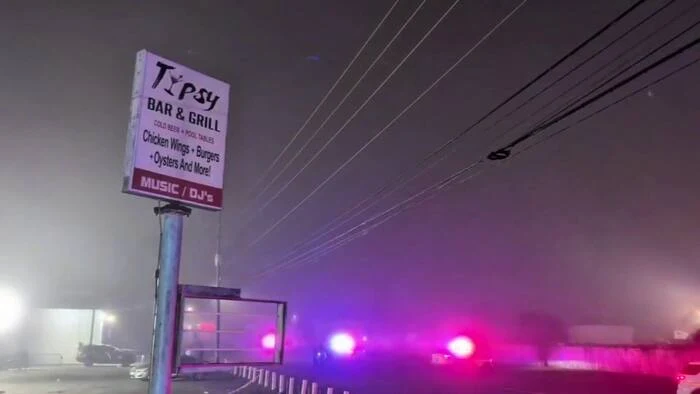
A Jacksonville nightlife case is offering a useful lesson for anyone who wants to open or operate a club: the party is only one part of the business. Tipsy Bar and Grill has remained closed while Jacksonville’s Public Nuisance Abatement Board reviews the property and the business’s path toward compliance.
News4JAX reported that the case grew out of several issues, including alleged after-hours alcohol sales, calls for service connected to the area and a building addition that city inspectors said lacked proper permits. The City of Jacksonville’s September 24 meeting agenda confirms that Tipsy Bar & Grill and the associated property were before the Public Nuisance Abatement Board as unfinished business.
The important point is how many separate systems a hospitality operator has to control at the same time: liquor service, building permits, fire and occupancy rules, security, neighborhood impact, staff behavior, hours of operation and documentation. Failure in one system can threaten the entire business.
A club that wants to reopen after a compliance problem has to show regulators that the operation can meet licensing, safety and code requirements consistently. That means management systems, not promises.
THE DJ HANGOUT READ: compliance should be treated like finance or marketing — as a permanent operating function.
COMPLIANCE IS AN OPERATING DEPARTMENT
Nightlife businesses sit inside overlapping systems: liquor rules, building permits, fire requirements, occupancy, zoning, security and nuisance enforcement. A venue can be popular with customers and still be vulnerable if one of those systems is ignored.
Building changes are a good example. An addition may look like a construction decision, but it can affect egress, occupancy, accessibility, fire protection and insurance. Alcohol-service hours require the same discipline through staff training, point-of-sale controls and closing procedures.
HOW TO PREVENT THE SCRAMBLE
A strong operator keeps a compliance calendar just as carefully as an event calendar. Permit renewals, inspections, liquor-license deadlines, fire-system service and staff certifications all need owners and due dates.
THE DJ HANGOUT READ
Compliance is not paperwork around the business. It is part of the business. If a venue cannot demonstrate safe and legal operation, every other revenue stream is at risk.
THE CHECKLIST BEHIND REOPENING
A reopening plan is not one promise to “do better.” It can require building permits, inspections, operating-hour controls, security procedures, management accountability and proof that the property is meeting the conditions imposed by regulators.
The Jacksonville Public Nuisance Abatement Board’s September 24 agenda listed Tipsy Bar & Grill as unfinished business, which shows that compliance can remain an active management issue long after the night that triggered attention.
A compliance-based path to reopening gives an operator a chance to correct problems instead of treating closure as the only outcome.
Liquor, permitting and safety failures can shut down a venue and damage neighborhood trust long before the business gets another chance.